2026-11-06 · Dave Ellison
Cost Factors for Sewer Line Work in Older Norfolk Homes
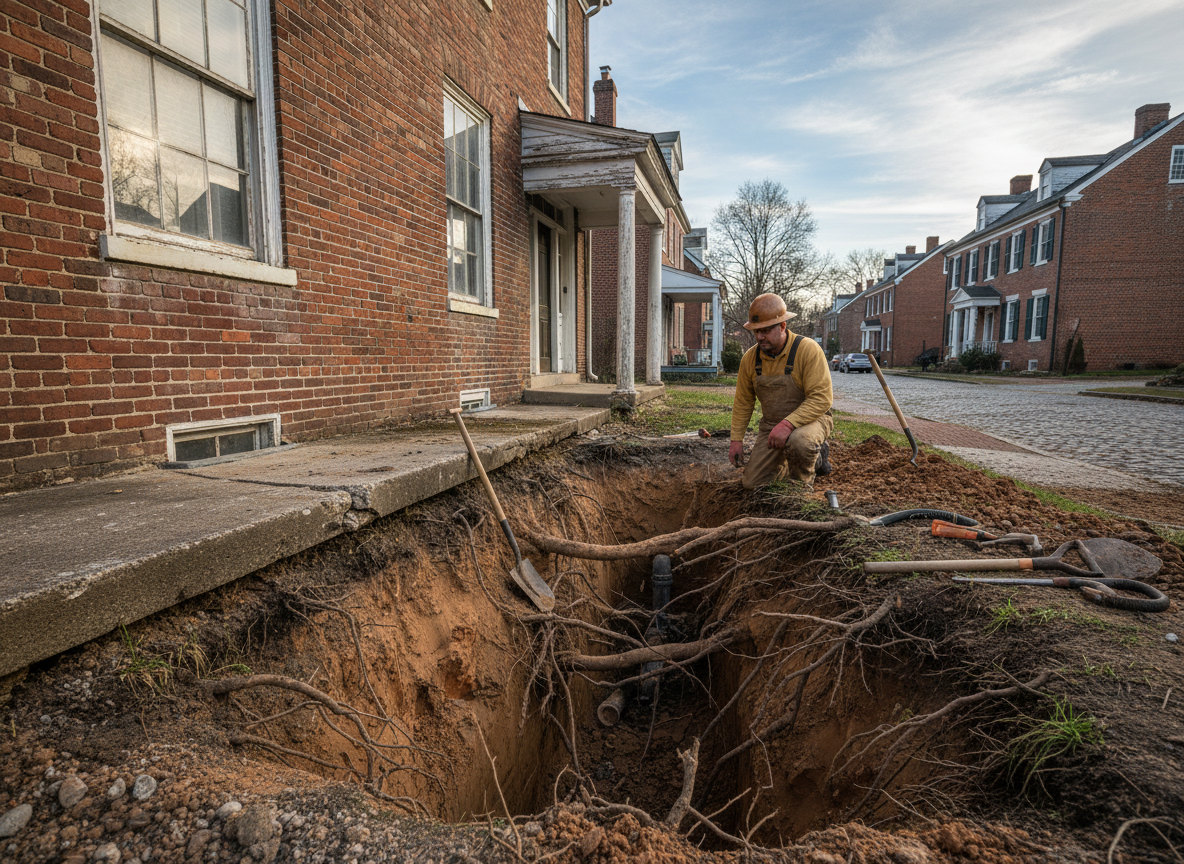
Sewer line work in older Norfolk homes often ranges from moderate to extensive depending on pipe condition and site access, with many projects in neighborhoods like Ghent requiring targeted excavation or lining methods due to 50- to 80-year-old infrastructure. These costs rise when crews encounter clay or cast iron lines that have deteriorated from decades of use in the independent city's humid subtropical environment. Factors such as root intrusion, shifting soil, and proximity to landmarks like the Naval Station Norfolk add layers that affect both time and resources on the job.
Pipe Material and Age Considerations in Historic Norfolk Homes
Many homes built before 1970 in Colonial Place and Ghent still rely on cast iron or clay sewer lines that typically last 50-80 years before significant corrosion sets in. Once those materials begin to fail, crews often find bellied sections or joint separations that demand either full replacement or trenchless options. In Berkley and Downtown Norfolk, where housing stock dates back even further, the original 4-inch lines frequently show heavy scale buildup from years of tidal influence and sediment. Homeowners notice slow drains or recurring backups as early signs, prompting inspection before costs escalate from minor repairs to major digs. Local terrain with high water tables means any break can quickly affect neighboring properties, requiring careful planning around shared easements.
Soil Conditions and Water Table Effects Near Norfolk Landmarks
Norfolk's coastal soil mixes sand and clay that shift with tidal cycles, placing extra stress on sewer lines running under streets near Town Point Park and the Chrysler Museum of Art. High water tables common across the independent city allow groundwater to infiltrate cracked pipes, accelerating deterioration especially during hot summer months when evaporation concentrates salts in the soil. Crews working in Ocean View routinely deal with sandy fill that collapses during excavation, adding shoring time compared to more stable inland lots. These conditions also increase the chance of new lines settling unevenly after installation, which is why precise bedding and compaction matter on every job. Linking to detailed guidance on post-flood recovery helps explain why repeated saturation events compound these soil-related issues over time.
Access Challenges in Dense Neighborhoods Like Ghent and Colonial Place
Narrow lots and mature landscaping in Ghent and Colonial Place often limit equipment access, pushing projects toward hand digging or smaller trenchless equipment that extends labor hours. Homes near Naval Station Norfolk face additional restrictions from traffic patterns and security setbacks that can stretch mobilization times. In Berkley, older alleys may not accommodate modern backhoes, forcing crews to stage materials on main streets and carry tools longer distances. These access realities directly influence whether a job stays under a certain scope or requires coordinated permits with the city. Property owners benefit from upfront site walks that map out tree roots, driveways, and utility crossings before work begins.
Climate Influences on Repair Timing and Scope
Humid subtropical summers in Norfolk bring heavy rains that saturate yards and complicate open-trench work, while occasional cold snaps can freeze shallow lines in exposed areas. Properties in Ocean View and near Town Point Park see more frequent backups after storms because storm drains and sewer systems share older combined infrastructure in places. Scheduling around these patterns helps avoid weather delays that add daily equipment rental fees. For readers dealing with seasonal pipe stress, the article on protecting pipes from freezes in Norfolk cold snaps offers practical steps that complement sewer line planning.
When to Consider Full Replacement Versus Spot Repairs
Spot repairs make sense when damage stays localized to one joint or a short run, but widespread corrosion in 60-year-old lines across multiple Norfolk neighborhoods usually favors lining or full replacement to prevent repeat calls. Sewer line repair specialists evaluate camera footage to distinguish between a single break and systemic failure caused by roots or settling. In Chesapeake and Virginia Beach border areas, similar soil conditions sometimes allow shared contractor knowledge on which methods hold up best long-term. Choosing the right approach early prevents small issues from turning into emergency calls that disrupt daily routines in busy households.